Lakeview sits on Chicago's North Side, right along the lakefront. It's home to Wrigley Field, the Southport Corridor, and miles of lakefront trails. This guide covers what makes lakeview Chicago homes for sale worth a close look in 2026, using current market data instead of general praise. Amy Sunshine works with buyers in this exact market, and this guide reflects what they need to know right now before they start touring.
Snapshot: Lakeview in 2026
- The median sale price is $520,000, holding roughly steady compared to last year
- Price per square foot runs $381, up 3.0% year over year
- Homes are averaging 46 days on the market, a typical pace for a competitive North Side neighborhood
- Hot homes can sell for 10% above list price when priced and presented well
- Median rent for a two-bedroom unit runs $2,830 a month, a useful benchmark for buyers weighing renting against owning
An Introduction to Living in Lakeview
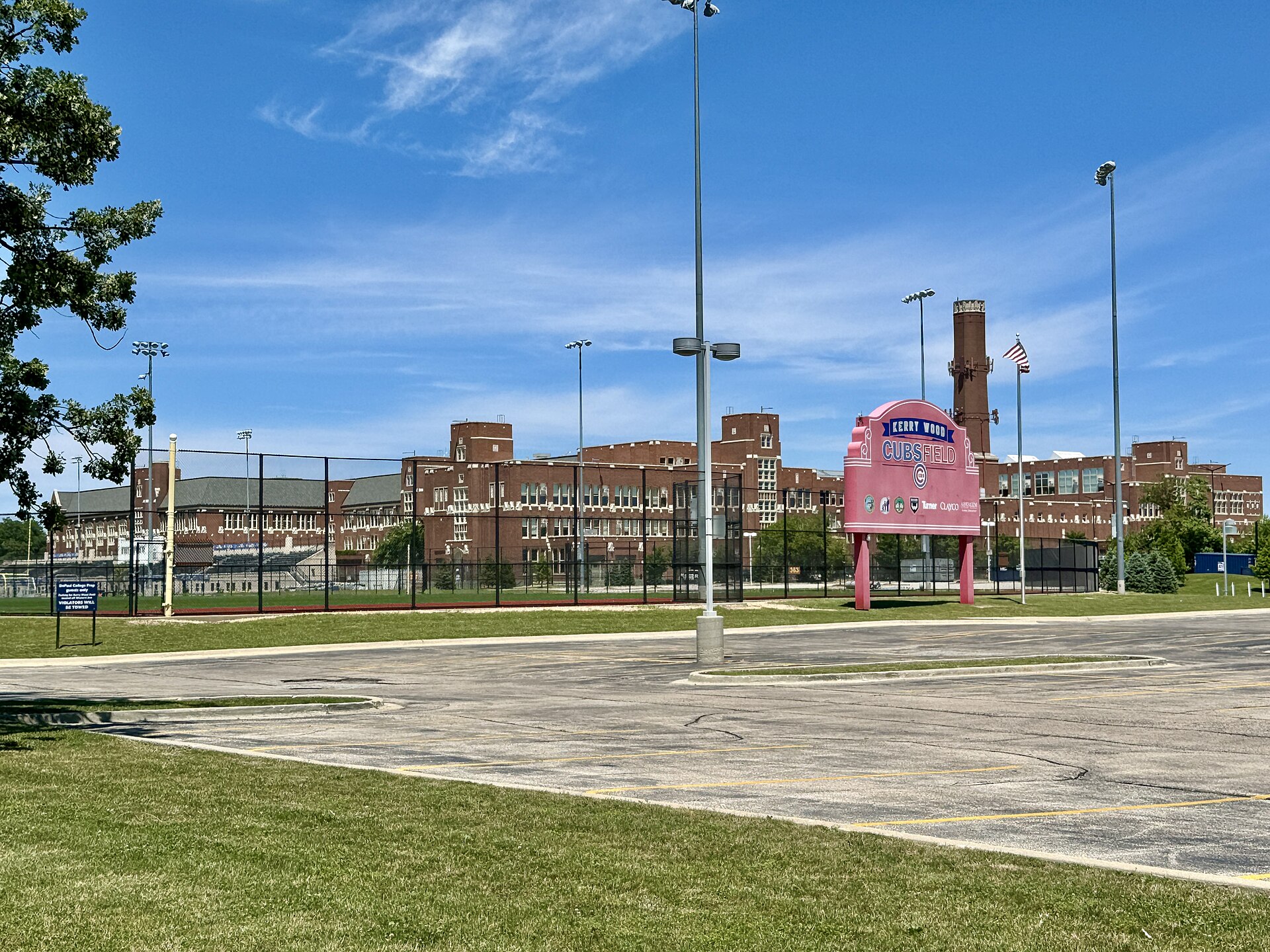
Lakeview is one of Chicago's most popular North Side neighborhoods, and it earns that popularity honestly. It blends real city energy with a genuine residential feel, which is a harder balance to strike than it sounds. The lakefront sits just to the east, giving residents easy access to open water and green space without leaving the neighborhood. Wrigley Field anchors the south end, bringing baseball season energy to the surrounding blocks each summer. This mix draws young professionals, families, and long-time residents alike, and it's part of why turnover here tends to stay low once people settle in.
What Gives Lakeview Its Unique Character?
Lakeview isn't one single thing. It's a mix of different pockets, each with its own feel and its own kind of buyer. Boystown, also called Northalsted, offers nightlife and a strong LGBTQ community history that dates back decades and remains central to the neighborhood's identity. Southport Corridor offers boutique shops and quiet, tree-lined streets a short walk from the busier commercial strips. Wrigleyville brings real energy on game days, with bars and restaurants filling up fast, but stays noticeably calmer the rest of the year. Each of these pockets has developed its own reputation, and buyers often gravitate toward one specific area once they've spent time exploring all three.
Exploring the Different Areas Within the Neighborhood
Prices shift a lot depending on the specific pocket you're looking at, and that gap is worth understanding before you start comparing listings. West Lakeview has a median sale price of $675,000, though that's down 11.7% compared to the prior year, reflecting a smaller number of higher-value sales pulling the number in different directions month to month. Lake View East runs much lower, with a median of $327,000, a genuinely different price tier within the same broader neighborhood. That's a big gap to have inside one set of community boundaries. It shows clearly why comparing specific streets matters far more than relying on one citywide or even one neighborhood-wide number when you're actually budgeting for a purchase.
The Variety of Homes Available to Buyers
Lakeview offers real variety in housing type, which is part of what keeps such a wide range of buyers interested. Vintage greystones and brownstones sit next to newer condo buildings, often on the very same block. Many older units keep original details, like hardwood floors, tall ceilings, and decorative millwork that newer construction simply doesn't replicate. Newer construction offers modern layouts and updated systems, including central air, in-unit laundry, and open-concept kitchens that many buyers now expect as standard. You can start exploring Lakeview Chicago real estate to compare these different home styles side by side and see which fits your budget and taste.
Understanding Home Prices Across Lakeview
The blended median sale price across all of Lakeview is $520,000. That single number hides real differences by pocket, which is exactly why it shouldn't be the only figure you rely on. West Lakeview runs notably higher, at $675,000, reflecting its mix of larger vintage homes and updated properties. Price per square foot there has jumped 23.9% over the past 12 months, a strong signal of real demand concentrated in that specific area rather than the neighborhood as a whole. Buyers comparing Lakeview against nearby neighborhoods like Lincoln Park or North Center will find it sits in a similar competitive tier, though with somewhat more range in price depending on the exact block.
How Location Influences Property Values
Location matters a great deal within Lakeview, sometimes shifting price meaningfully within just a few blocks. Homes close to the lakefront tend to hold their value best, since that proximity to open water and the Lakefront Trail rarely goes out of style. Streets near Southport's shops and restaurants also draw a real premium, since walkability continues to matter more to buyers each year. Proximity to well-regarded schools, like Nettelhorst Elementary, adds further value too, particularly for buyers planning to stay in the neighborhood long term with young children. Buyers should weigh these smaller, block-level differences carefully before making an offer, rather than assuming every Lakeview address carries the same value.
What Buyers Should Know About Property Taxes and Ownership Costs
Cook County property taxes run higher than the national average, and Lakeview is no exception to that pattern. Effective rates in Chicago typically fall between 2% and 2.3% of assessed value each year, depending on the specific taxing districts that apply to a given address. On a $520,000 home, that adds up to roughly $10,400 to $12,000 a year, a cost that should be factored into your monthly budget alongside the mortgage payment itself. Condo buyers should also budget for HOA fees, which vary widely depending on the building's age, amenities, and reserve fund health. Older vintage buildings sometimes carry lower monthly dues but higher risk of special assessments, while newer buildings often charge more but include amenities like fitness centers or rooftop decks.
Everyday Life in Lakeview: Parks, Dining, Shopping, and Entertainment
Lakeview offers real day-to-day convenience that goes well beyond having a few nice restaurants nearby. The Lakefront Trail runs right along the neighborhood's eastern edge, and it stays genuinely popular for running, biking, and walking throughout most of the year. Southport Corridor offers local shops, boutiques, and restaurants within easy reach of the neighborhood's quieter residential streets. Wrigley Field adds a unique energy, especially during baseball season, when the surrounding blocks fill with fans before and after games. The historic Music Box Theatre, a beloved independent cinema, adds further cultural character to the area. You can browse houses for sale Lakeview Chicago to see which specific streets sit closest to these amenities and how that proximity affects price.
Transportation and Accessibility Throughout the Neighborhood
Lakeview offers strong transit access, which continues to be a major draw for buyers who want to limit their reliance on a car. The CTA Red Line and Brown Line both run through the area, with stops at Belmont, Addison, Southport, and Paulina giving residents multiple route options into downtown. Several bus routes add further coverage across the neighborhood, filling in gaps between the train lines. That combined access makes commuting downtown fairly simple, often faster than driving during peak hours. It's a big reason buyers without a car still consider Lakeview a genuinely strong option, rather than settling for it as a compromise.
Why Buyers Continue to Return to Lakeview Year After Year
Lakeview has stayed popular for a clear, consistent reason. It offers a genuine mix of city energy and neighborhood charm that's difficult to find in combination elsewhere on the North Side. Buyers get lakefront access, strong transit, and real housing all in one place, which is a rare combination even within Chicago's better-known neighborhoods. Even as prices shift by pocket, sometimes significantly from one block to the next, the overall demand for Lakeview has stayed steady over time. That consistency is part of what continues to draw repeat buyers and long-term residents back to the neighborhood.
The Long-Term Appeal of Owning a Home in Lakeview
Lakeview has shown real long-term strength as a place to hold property. Single-family home prices here have historically run well above the citywide median, reflecting the neighborhood's established reputation and limited supply of larger homes. Condo prices have also held up well over time, even through short-term dips in specific buildings or pockets. Tight housing supply across Chicago adds further support to this trend, and citywide inventory dropped nearly 29% compared to the previous year, which helps keep demand strong in popular, well-located areas like this one. That combination of steady demand and constrained citywide supply gives Lakeview owners real confidence in the neighborhood's staying power.
Final Thoughts
Lakeview earns its reputation through a genuine mix of lakefront access, strong transit, and real neighborhood character that spans several distinct pockets. Prices vary a lot depending on which specific area you're considering, so it pays to compare individual streets rather than relying on one citywide or neighborhood-wide number. Understanding these differences, along with property taxes and HOA costs, will help you make a stronger, more informed offer when the right home appears. Reach out and contact us whenever you're ready to compare current listings across Lakeview's different pockets.