West Loop homes for sale have become some of the most talked about listings in downtown Chicago, and for good reason. This guide is for buyers weighing West Loop against other downtown neighborhoods and wanting real numbers before they start touring. We'll cover current pricing, home types, transit, taxes, and what makes this pocket of the city so popular. Amy Sunshine works with buyers across West Loop regularly and knows how pricing shifts from block to block.
West Loop at a Glance
Buyers this year will find the average price per square foot sitting around $421, up about 7.4% year over year according to Redfin, well above the citywide figure for Chicago.
The rolling three-month median sale price landed near $499,000, up roughly 6.2% year over year according to Redfin, a stronger showing than earlier in the year, though the figure moves depending on which units sold that period.
Because of Cook County's assessment system, property tax rates generally run close to 2.14% of a home's market value; the county assesses residential property at 10% of market value, with the composite tax rate then applied to that equalized assessed value.
Day to day expenses and the overall cost of living in West Loop sit above the Chicago average, reflecting its premium downtown position.
HOA fees vary by building, with older loft conversions often landing lower than full amenity high rises with doormen and fitness centers.
Why West Loop Has Become One of Chicago's Most Sought After Areas
West Loop's shift from an industrial meatpacking district to one of Chicago's trendiest neighborhoods happened fast, and it shows no signs of slowing. Restaurant Row along Randolph Street helped kick off the change, drawing chefs, shoppers, and eventually residents who wanted to live close to the action. Converted lofts sit beside newer high rises, giving the neighborhood a mix that's hard to find elsewhere downtown. Walkability plays a big role too, with a Walk Score of 96 putting nearly everything residents need within a short walk. That combination of history, food, and convenience keeps demand steady even as pricing has shifted over the past year.
What Homes Are Selling for in West Loop Right Now
Pricing in West Loop has firmed up compared to earlier in the year, though the details matter more than the headline number. The rolling three-month median sale price came in around $499,000, up roughly 6.2% from the same period a year earlier, according to Redfin. Price per square foot moved up as well, rising about 7.4% year over year to around $421, which shows this stretch of the market has strengthened on both measures rather than cooling. Recent condo listing counts for the neighborhood have ranged from roughly 90 to just under 150 depending on the source and month, with a median asking price that has clustered in the high $400,000s to around $500,000; since both figures shift week to week, ask your agent for the latest inventory snapshot and asking-price range before you start touring. Mortgage rates have moved higher rather than lower this year, with Freddie Mac's weekly survey most recently putting the 30-year fixed at 6.76% for the week of September 10, 2026, so buyers should run payment scenarios off the current rate rather than an earlier, lower quote.
Lofts, High Rises, and New Builds, Understanding Your Options
Housing stock here breaks down into a few distinct categories, and each comes with different trade-offs. Timber loft conversions offer exposed brick, tall ceilings, and real character, though older buildings sometimes mean higher maintenance costs down the line. Full amenity high rises near Fulton Market bring doormen, fitness centers, and rooftop decks, usually at a higher HOA cost. Newer boutique developments split the difference, offering updated finishes without the scale of a larger tower. Buyers weighing these options benefit from real Chicago condo market experience, since building type affects both resale value and monthly costs more than most buyers expect going in.
Life in West Loop, Restaurants, Markets, and Everyday Convenience
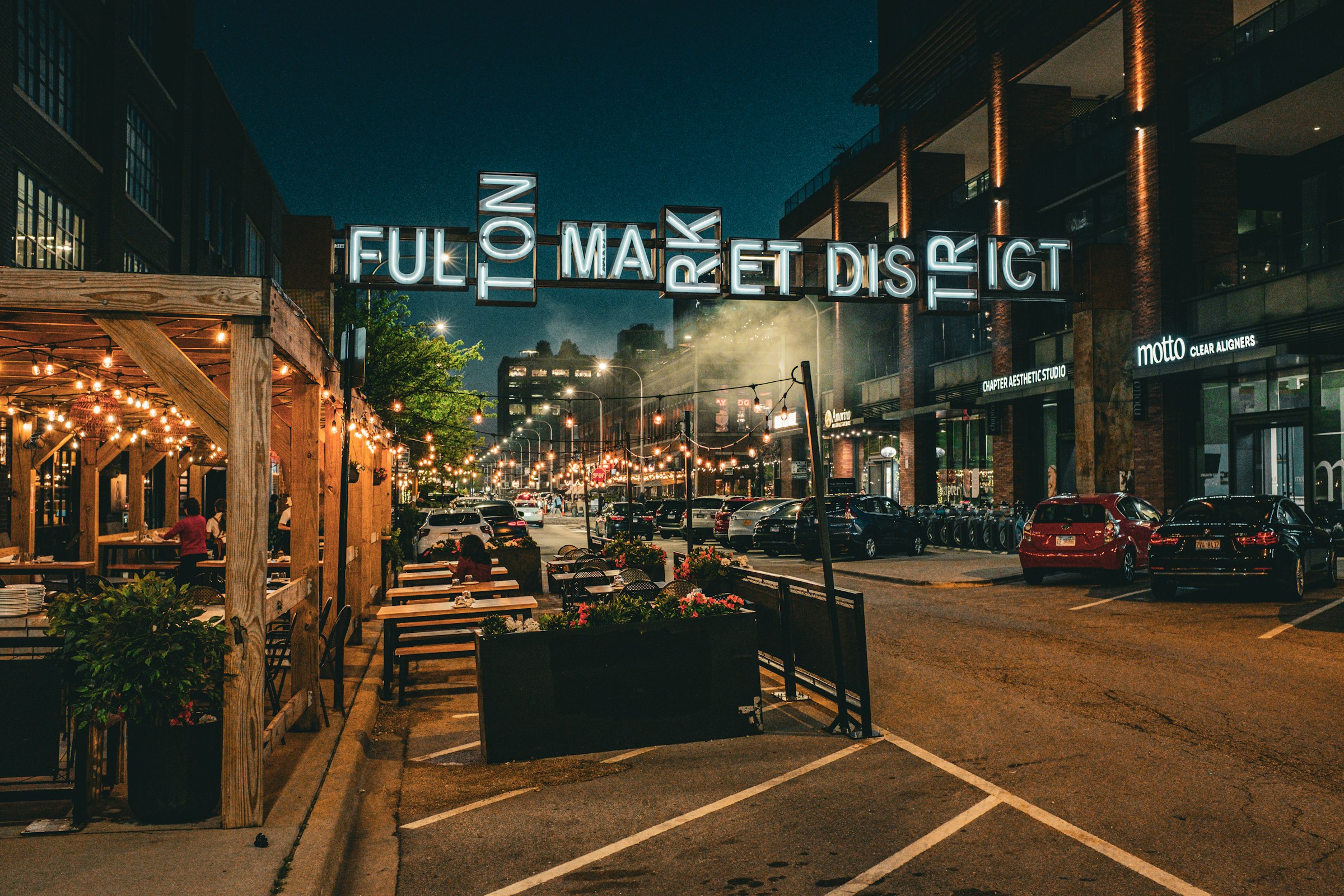
Daily life in the West Loop revolves around food, and that's not an exaggeration. Randolph Street and Fulton Market host some of the city's best known restaurants, alongside coffee shops, boutique fitness studios, and weekend farmers markets in warmer months. Mary Bartelme Park gives residents a green space to unwind, complete with a dog run and play areas for families. Grocery options have expanded too, making it easier to handle errands without leaving the neighborhood. For buyers who want an urban lifestyle built around walking rather than driving, West Loop delivers that in a way few other Chicago neighborhoods can match.
Getting to Work and Around the City From West Loop
Getting around from West Loop is genuinely easy, which is part of why so many buyers prioritize this neighborhood. The CTA Green and Pink lines stop at both Morgan and Clinton, putting the Loop and other downtown job centers within a short ride. Ogilvie Transportation Center and Union Station both sit within walking distance, giving commuters quick access to Metra trains heading into the suburbs. With around 39,226 jobs located directly in the area, plenty of residents skip the commute altogether and walk to work. That level of connectivity is a major reason West Loop real estate continues to draw steady interest from young professionals.
What You Can Expect to Pay in Property Taxes Each Year
Property taxes catch a lot of buyers off guard here, especially those coming from lower tax states. Cook County's median effective property tax rate sits around 2.14% of a home's market value, notably higher than the national median. Cook County assesses residential property at 10% of market value, and the composite tax rate is then applied to that equalized assessed value, which is why the 2.14% figure is best understood as a share of what a home is actually worth rather than a rate against the smaller on-paper assessment. Chicago's Homeowner Exemption renews automatically once applied, and Cook County reassessed City of Chicago properties in 2024, with the next citywide reassessment under the triennial cycle set for 2027, so West Loop owners should not expect another reassessment before then. Rates can shift depending on the property's assessed value and any exemptions that apply, so getting an accurate estimate for a specific building matters more than relying on a citywide average. Factoring this in alongside HOA dues gives buyers a much clearer picture of true monthly costs.
Who Is Choosing to Buy in West Loop and Why
Buyers here tend to skew younger and career focused, drawn by the neighborhood's mix of walkability and nightlife. Many work in nearby downtown offices or the growing tech and startup scene that's moved into former industrial buildings. Empty nesters looking to downsize from larger suburban homes have also started showing up more often, attracted by low maintenance living and easy access to restaurants. Investors remain active too, with average rents around $2,253 supporting steady rental demand. That mix of buyer types keeps competition varied depending on price point and building style.
How West Loop Prices Compare to Nearby Chicago Neighborhoods
West Loop sits solidly in the middle to upper range of downtown Chicago's condo market. Its median listing price of around $499,000 runs above South Loop's $390,000 and The Loop's $441,000, though it still trails Streeterville's $529,000. River North lands close by at roughly $450,000, making it one of West Loop's more direct competitors on price. Compared to the citywide condo median of $399,000, West Loop consistently commands a real premium. That positioning reflects the neighborhood's newer inventory and reputation rather than any single feature alone.
Why West Loop Homes Continue to Hold Their Value
The broader trend in the West Loop points toward continued strength rather than softening. Both the median sale price and price per square foot have moved higher over the past year, suggesting genuine demand rather than a market propped up by a shifting mix of homes selling. Limited land for new development keeps a ceiling on future supply, which tends to support pricing over time. The neighborhood's job density and transit access give it staying power that less connected areas simply don't have. For buyers thinking several years ahead, that combination of scarcity and access remains a strong argument in West Loop's favor.
Start Exploring Homes for Sale in West Loop Today
Every building in West Loop has its own personality, from converted lofts with exposed brick to sleek new towers with skyline views. Photos rarely capture how a specific unit or block actually feels, which makes touring in person worthwhile before narrowing down a decision. With inventory shifting regularly and pricing varying so much by building, having someone track new listings closely saves buyers real time. Anyone serious about west loop chicago homes for sale benefits from working with someone who follows this specific market week to week.
Final Thoughts
West Loop continues to stand out among Chicago's downtown neighborhoods, offering strong walkability, easy transit, and a housing mix that fits a wide range of buyers. Pricing has firmed up this year, with both median sale price and price per square foot moving higher, a sign the neighborhood's fundamentals remain solid. Whether you're drawn to a classic timber loft or a newer high rise near Fulton Market, West Loop offers real variety within a tightly connected area. Amy Sunshine is glad to help, so feel free to contact us when you're ready to start touring homes here.
Frequently Asked Questions
1. What is the median home price in West Loop Chicago right now?
The rolling three-month median sale price came in near $499,000, up roughly 6.2% from the year before, according to Redfin. Price per square foot rose about 7.4% over the same period, showing the market has strengthened on both measures recently. Current listings carry a median asking price that has clustered in the high $400,000s to around $500,000.
2. Is West Loop a good neighborhood for first time Chicago buyers?
Yes, West Loop appeals to a wide range of buyers, including many purchasing their first home, thanks to its walkability and strong transit access. It sits at a premium compared to some nearby neighborhoods, but the mix of loft conversions and newer buildings offers some flexibility on price. Buyers who prioritize convenience over square footage often find good options here.
3. What are property taxes like for homes in the West Loop?
Property taxes in West Loop follow Cook County's assessment system, with a median effective rate around 2.14% of a home's market value. Cook County assesses residential property at 10% of market value before the composite rate applies to that equalized figure, so the 2.14% describes the bill relative to real market value, not the smaller on-paper assessment. Exact bills vary depending on the specific building and any applicable exemptions.
4. How easy is it to commute from the West Loop without a car?
Commuting without a car is very manageable, with the CTA Green and Pink lines stopping at Morgan and Clinton stations. Ogilvie Transportation Center and Union Station both sit within walking distance, giving quick access to Metra trains. Many residents also simply walk to work, given the roughly 39,226 jobs located directly in the neighborhood.
5. What types of homes are available in the West Loop?
West Loop offers a mix of converted timber lofts, full amenity high rises, and newer boutique developments. Loft conversions tend to offer more character and often lower HOA fees, while high rises bring amenities like doormen and fitness centers at a higher monthly cost. The right fit really depends on whether a buyer prioritizes character or convenience.